Engineering & Buyer Guide
Mining Locomotive Brake Testing: An Inspection and Acceptance Evidence Plan
What evidence should a mine require when testing a mining locomotive braking system?

Conceptual evidence chain: identify the configuration, use the approved method, control the test area, measure results and authorize return to service.
TL;DR / Direct Answer
What evidence should a mine require when testing a mining locomotive braking system?
Mining locomotive brake testing must prove the approved locomotive and train can be controlled and held on the defined route under normal, degraded and failure conditions. Separate pre-use functional checks, planned inspection, static holding tests, dynamic performance tests and project acceptance. Use manufacturer procedures, competent verification, calibrated instruments, controlled loads and the applicable mine rules; never substitute a generic stopping distance or an improvised throttle-against-brake test.
Which brake checks must be kept separate?
A pre-use check confirms basic function before operation; it does not replace periodic inspection or performance testing. Planned inspection examines wear, adjustment, linkages, actuators, pipes or cables, electrical controls, interlocks, warning devices and stored-energy condition according to the supplied system. A static test evaluates holding under a defined condition. A dynamic test measures deceleration, stopping or control behavior with an approved consist and route. Acceptance testing verifies contract and project criteria before service or after significant change.
Name the brake functions being tested: service, parking, emergency and any regenerative, dynamic, fail-safe or trailer/car braking arrangement. Define how they interact and which independent energy source or stored energy each relies on. Do not use one successful stop to claim every function works. The evidence plan should link each requirement to one method, pass criterion, instrument, witness and record.
| Layer | Purpose | Boundary |
|---|---|---|
| Pre-use | Detect obvious loss of function before movement | Operator procedure; not a type or acceptance test |
| Inspection | Verify condition, adjustment and interfaces | Manufacturer and site maintenance basis |
| Static | Verify defined holding capability | Controlled grade/load or approved test method |
| Dynamic | Measure controlled stopping performance | Defined consist, speed, route and conditions |
| Failure/degraded | Verify detection and designed response | Approved fault method; no unsafe improvisation |
What must be frozen before a test starts?
Identify locomotive model and serial number, brake-system revision, software and parameter set where relevant, wheel and brake wear condition, tyre or wheel diameter, mass, power state and recent maintenance. For a train test, record every car, tare and payload, brake equipment, couplers, brake connections and total gross mass. State the direction of travel, route section, maximum gradient, rail condition, curve, speed and environmental conditions.
Confirm that drawings, manuals, risk assessment, applicable requirements and test procedure all refer to the same configuration. If a component, setting, wheel diameter, consist or route changes, determine whether the test remains valid. Configuration control prevents a result from one locomotive or empty consist being applied to a different train without review.
How should the test area and people be protected?
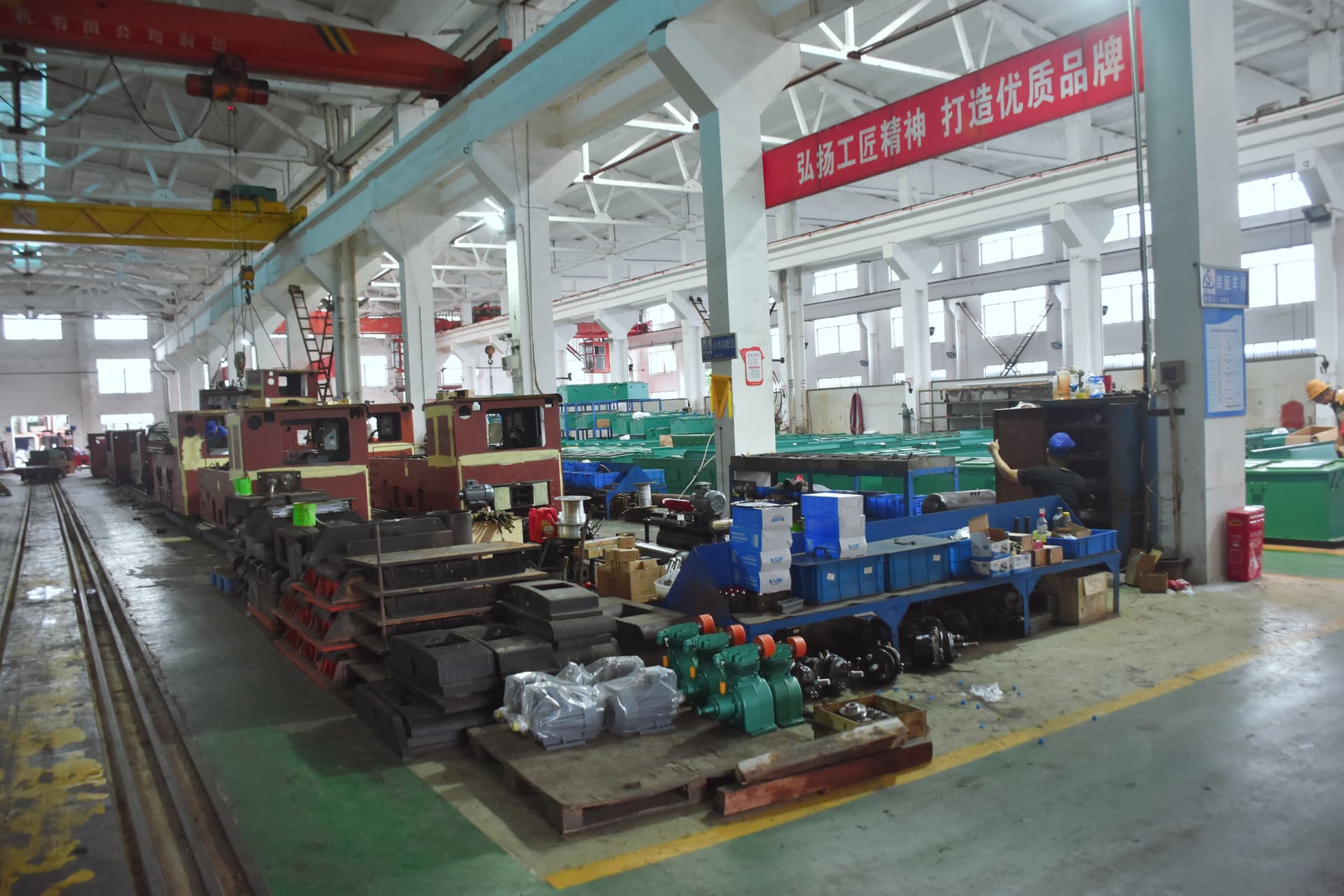
Approve a test-specific risk assessment and authority. Isolate the route from normal traffic, establish communications, define exclusion zones and escape positions, confirm track condition and clearances, control loading, provide recovery equipment and stop the test if entry conditions change. The driver, test director, observers and dispatch/control role must understand who can start, abort and authorize each run.
Use a progressive sequence from inspection and low-energy checks toward the approved worst case. Never disable a protection, simulate a fault or force movement against a brake unless the formal procedure explicitly controls it. An MSHA fatal investigation found that a locomotive could not be tested using the referenced OEM method because an interlock and required test function were not correctly addressed; the lesson is to resolve method/configuration conflicts before testing, not improvise around them.
- Verify the procedure, configuration and competent roles.
- Inspect the route, locomotive, consist and test instruments.
- Secure traffic control, exclusion zones, communications and recovery.
- Complete functional and low-energy checks before higher-energy runs.
- Stop, quarantine and investigate any unexplained result or configuration mismatch.
What belongs in inspection and static holding evidence?
Inspect friction materials, drums or discs, linkages and pins, actuators, springs, pipes, hoses, cables, connectors, reservoirs or accumulators, valves, sensors, guards, mounts and adjusters as applicable. Record measurements and limits, not only serviceable. Uneven wear or excess movement can matter even if a brake appears to apply. Verify indicators, alarms, interlocks and the response to loss of the relevant energy or control input using the approved method.
A static holding test needs a defined mass, gradient or test rig, brake function, application method, stabilization time, acceptance criterion and means of preventing uncontrolled movement. The South African rail-bound equipment guideline defines a static test in relation to holding power and design specification in its jurisdiction. HSE guidance discusses holding on the maximum design gradient with the maximum permitted load. Projects must apply the controlling local requirement and manufacturer procedure rather than copying wording as a universal test.
How should dynamic brake performance be measured?
Define entry speed, train mass and distribution, brake initiation point, grade and direction, rail condition, brake function, driver or automatic command, data channels and pass criterion. Measure speed and distance or time with suitable verified instruments and document uncertainty. Conduct repeat runs only when the procedure requires them and thermal or pressure conditions have returned to the specified state. Record wheel slide, instability, delayed application and unexpected intervention.
Stopping distance alone can obscure response delay, deceleration profile, fade or inconsistent force. Review the complete trace where instrumentation permits. Compare results only when configurations and conditions are equivalent. NSW's underground-transport braking reference is principally for underground coal transport braking design, testing and registration in NSW; it provides a strong evidence structure but is not a universal approval route for every mine or rail vehicle.
Which degraded and failure conditions need evidence?
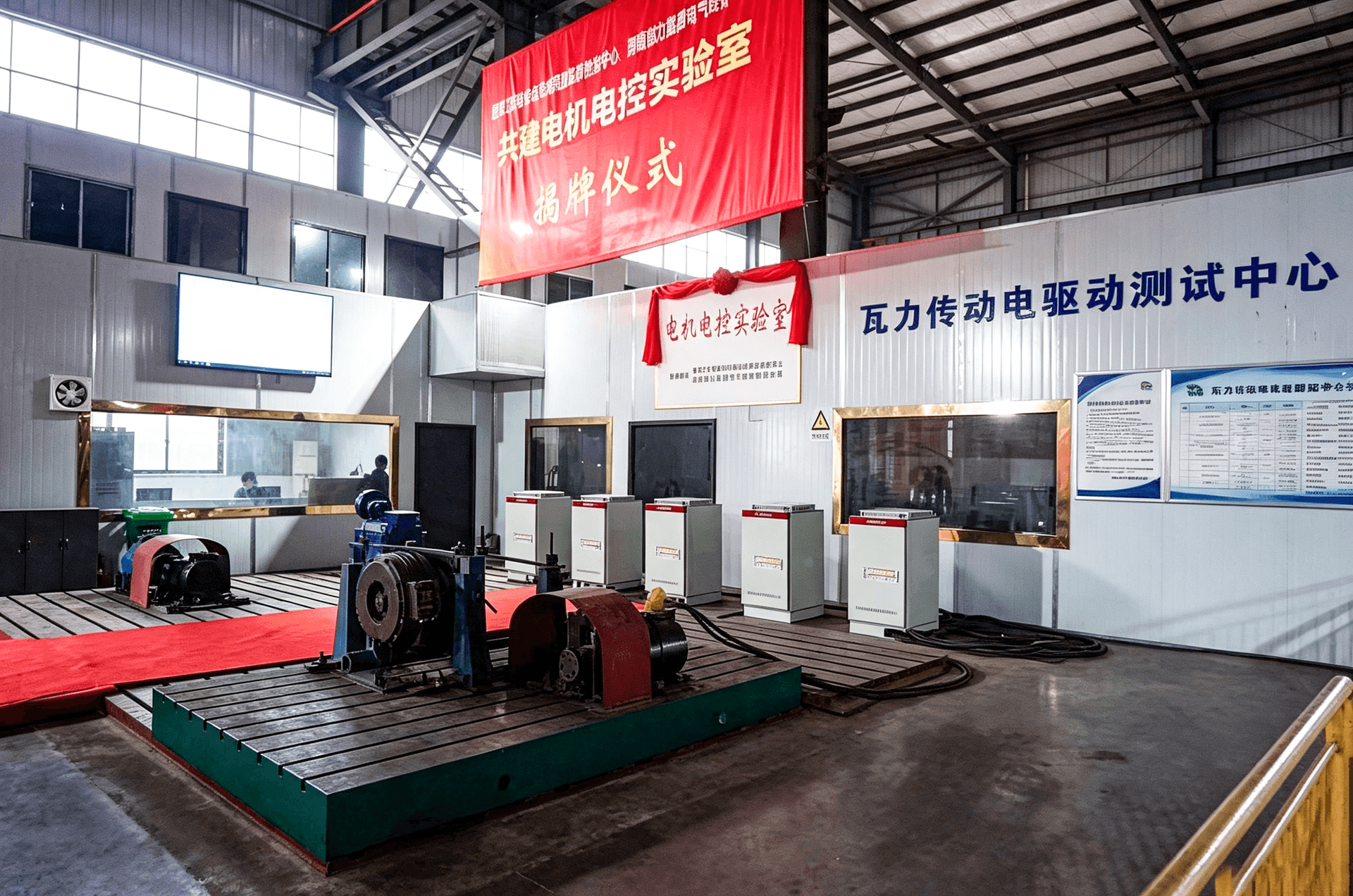
Trace the hazards and design claims to conditions such as loss of traction power, loss of control signal, low pressure or stored energy, one braking channel unavailable, emergency command, dead-man or vigilance action, communications loss in an automated system and unintended movement while parked. The required response may be inhibit, warning, controlled stop, emergency application or maintained holding, depending on the approved design. Test only faults that can be introduced safely under the authorized method.
Verify both detection and recovery. An alarm without an operating response is incomplete; an automatic application without a controlled reset can create another hazard. Define who diagnoses the cause, which records are retained, what inspection follows an event and who authorizes return. For regenerative or dynamic braking, identify the speed and power conditions where it is available and the independent friction or mechanical function that covers its limitations as designed.
| Condition | Evidence question | Record |
|---|---|---|
| Power/control loss | Is the designed response detected and achieved? | Event trace and observed response |
| Low stored energy | Are warning, inhibit and brake function coordinated? | Pressure/energy and alarm record |
| Emergency command | Does the correct function apply and latch/reset safely? | Measured test and reset steps |
| Parked vehicle | Is unintended movement prevented and detected? | Static evidence and securing check |
| Automation loss | Does fallback match the approved operating mode? | Interface and scenario result |
What makes a brake test record audit-ready?
A complete record names the requirement, equipment and consist, route and conditions, procedure revision, instruments and verification status, people and roles, raw observations, calculated result, pass criterion, deviations, defects, corrective actions, retest and final authorization. Attach photographs or data traces where they clarify identity and condition. Keep original values; corrections should be traceable rather than overwritten.
Trend wear, adjustment, stopping results, alarms and repeat defects by locomotive and route. A passed checklist can coexist with degrading performance if it records only yes/no answers. MSHA's investigation evidence showed pre-operation and maintenance records that had not identified the condition later found in brake components and testing. This supports measurement, method compliance and effectiveness review, while the specific event and US regulatory context must remain attributed.
When must brake acceptance be repeated?
Define triggers before handover: new locomotive or consist, brake-system modification, software or setting change, wheel or friction-system change affecting performance, change in maximum train mass or speed, steeper route, material route-condition change, major repair, prolonged storage, significant incident or evidence that the existing test no longer represents service. Not every maintenance task requires full reacceptance, but every change requires a documented validity decision.
For procurement, require a braking responsibility matrix, calculation and design evidence, FAT functions, site static and dynamic methods, instruments, witness points, document pack, training and return-to-service process. Keep type or factory evidence distinct from the installed site result. ShaoLi can provide configuration-specific supplier documents and support agreed tests; the mine and designated competent parties control route, operating rules and jurisdictional acceptance.
- Requirements-to-test traceability matrix.
- Controlled locomotive, rolling-stock and route configuration record.
- Pre-use, inspection, static, dynamic and failure evidence layers.
- Defect, quarantine, retest and release workflow.
- Change triggers and test-validity decision record.
Frequently asked questions
How often should a mining locomotive brake test be performed?
Use the applicable mine rules, manufacturer instructions, risk assessment, duty, condition history and change triggers. There is no responsible universal interval for every locomotive and jurisdiction.
Is a pre-shift brake check the same as a performance test?
No. A pre-use check detects basic faults before operation. Static holding, dynamic performance, failure testing and acceptance have different methods, controls and evidence.
Can brakes be tested by applying throttle against the parking brake?
Only if the approved manufacturer/site procedure explicitly uses that method for the identified configuration and controls the risk. Never improvise around an interlock or missing test function.
Should an empty locomotive test approve a loaded train?
Not automatically. Train mass, distribution, car brakes, couplers, speed, gradient and route condition affect the required evidence. The approved test plan must represent the operating configuration.
What instruments are needed for a dynamic test?
The procedure should identify suitable verified speed, distance, time, pressure, force or data-acquisition instruments and their uncertainty. The selection depends on the requirement and brake system.
What happens after a failed brake test?
Stop or quarantine the equipment under the site's control process, preserve evidence, diagnose and correct the cause, assess related equipment, repeat affected tests and obtain formal return-to-service authorization.
Does factory brake testing replace site acceptance?
No. Factory testing can prove supplied functions and configuration, while site acceptance addresses the actual route, consist, installation, interfaces, operating conditions and local requirements.
Sources & references
- NSW TRG: Braking systems used in underground transport
Primary NSW underground-coal design, testing and registration reference; jurisdiction and equipment scope are explicit.
- HSE Underground locomotive haulage
Primary UK historical guidance for service, emergency and parking brake principles; apply within scope.
- South African mandatory-COP guideline for underground rail-bound equipment
Government guideline for risk controls, rail-bound equipment and static-test definitions in South Africa.
- MSHA 2021 locomotive fatal-accident final report
Attributed US incident evidence about method compliance, configuration and brake maintenance; not generalized into ShaoLi claims.
- NSW MDG 39 brake failure incident collection
Historical incident-learning supplement; does not define a universal test method.
Turn the guide into a project requirement
Send the route, train, duty, power, environment and interface data. ShaoLi can review the requirement against relevant product and solution paths without treating a generic guide as a final design.
Request an engineering review