Transport efficiency

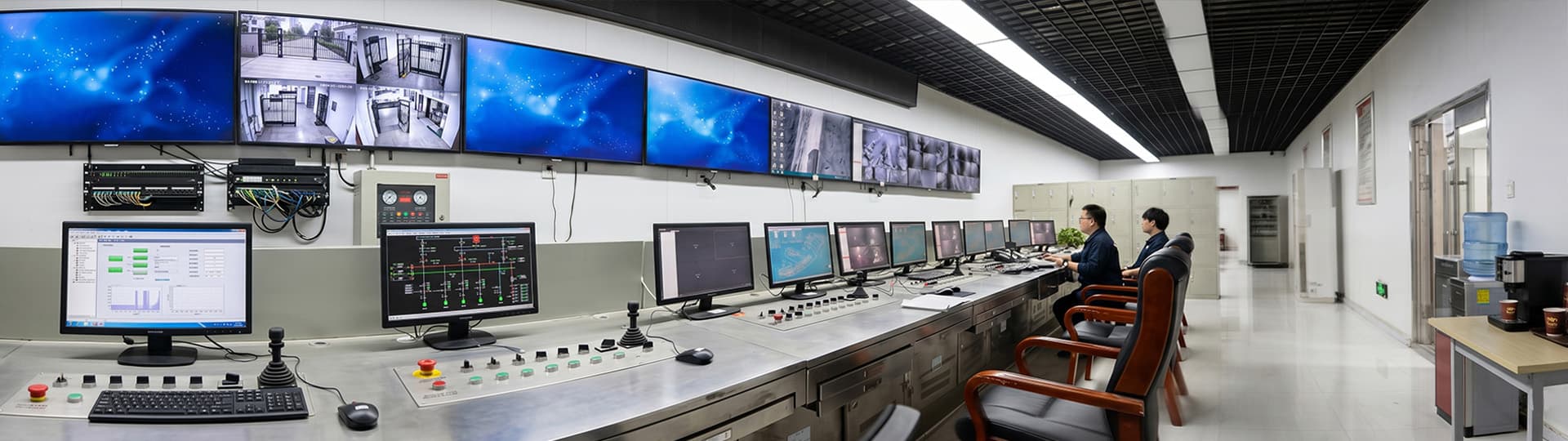
Transport efficiency
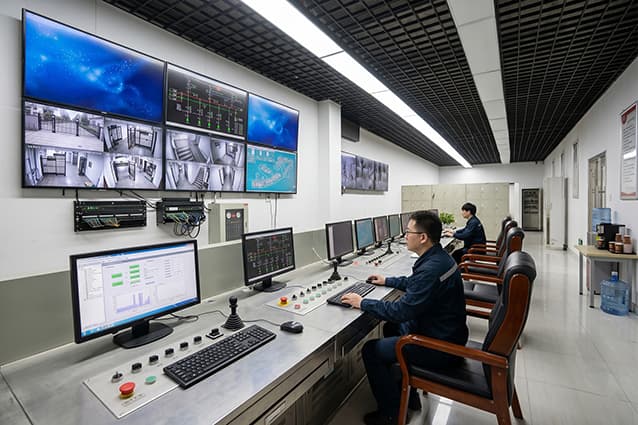
Intelligent Scheduling and Automated Monitoring Systems
Traditional modes relying on walkie-talkies and manual reporting are inefficient. Intelligence is the key to resolving "unbalanced transport capacity."
- Real-time Vehicle Tracking (GIS/UWB): Utilizing precision positioning technologies (such as UWB) to display the location and status (loaded, empty, or malfunctioning) of locomotives or monorails on a real-time background map.
- Intelligent Queuing and Diversion Schemes:Automatically assign the nearest empty vehicle based on the real-time load levels at loading points (chutes) and unloading points.
Calculate optimal travel routes via algorithms to prevent "branch road congestion" or "mainline bottlenecks." - Signal System Linkage: Implement unmanned automatic switches and signal interlocking systems to reduce waiting times caused by drivers manually operating signals.
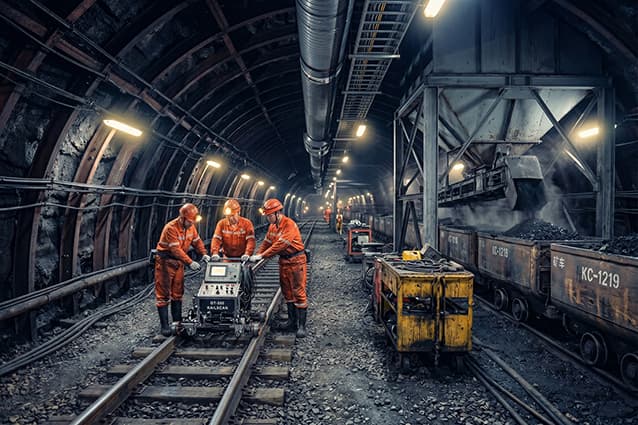
Performance Optimization of Transportation Equipment
Efficient transportation relies on high-reliability hardware support.
- VFD and Heavy-Load Startup:Adopt high-power AC variable frequency locomotives to increase starting tractive effort, reduce wheel slippage, and shorten acceleration time.
- Upsizing and Standardization of Carrying Units: Where roadway conditions allow, promote the use of large-capacity bottom-dump or fixed side-dump mine cars. Increasing the volume per trip directly reduces trip frequency.
- Rapid Charging and Battery Swapping: For battery locomotives, promote "lithium-ion conversion" and intelligent side-swapping systems. Converting hours of charging time into a 5-minute mechanical swap ensures 24-hour continuous operation.
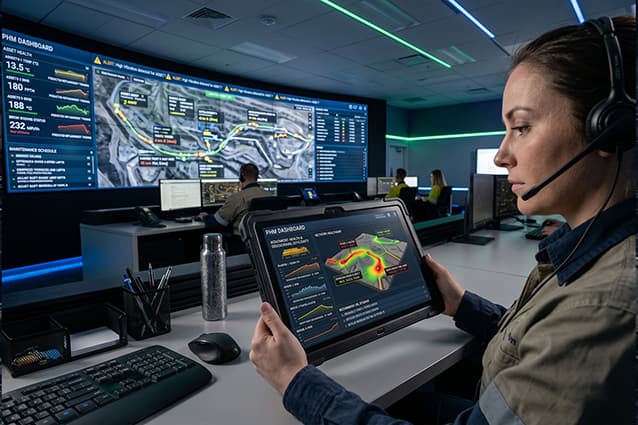
Infrastructure and Path Optimization
Regardless of hardware quality, efficiency cannot be improved if the "road" is inadequate.
Core Products: 7–10T Trolley/Battery Locomotives (e.g., CJY Series).
- Standardization of Track Quality:Conduct regular track flaw detection and leveling. For every 10% improvement in track flatness, rolling resistance can be reduced by approximately 15%–20%, while simultaneously lowering derailment rates.
- Optimization of Multimodal Interconnection Points:Storage Buffering: Install surge bins with sufficient capacity at the junction of the main slope and drifts to prevent a total transport shutdown caused by main hoist downtime.
- Loading/Unloading Station Automation: Introduce fully automated loading gates and quantitative loading systems to shorten per-car loading times.
Transfer the live rail-haulage state between shifts
A handover is not a document archive or a new movement authority. The outgoing and incoming accountable roles need the same current view of train availability, route restrictions, open defects, isolations, temporary work and the next owned action.
Train stateIdentity, location, consist, availability, operating restriction and supporting record
Route stateBlocked or restricted sections, work zones, temporary controls and source of authority
Defect actionObservation, immediate control, owner, evidence pointer and next decision trigger
AcknowledgeIncoming accountable role, exceptions, verification method and transfer time
The mine's approved procedures, route authority and responsible people govern movement, isolation and release.
Underground rail haulage shift-handover guide- Wechat
Scan the QR code

- Pre-sales
Talk To UsPhone+8613272239000E-MailE-Mail