Engineering & Buyer Guide
Underground Rail Haulage Commissioning: A Site Acceptance Test Plan
What should an underground rail-haulage site acceptance test include?
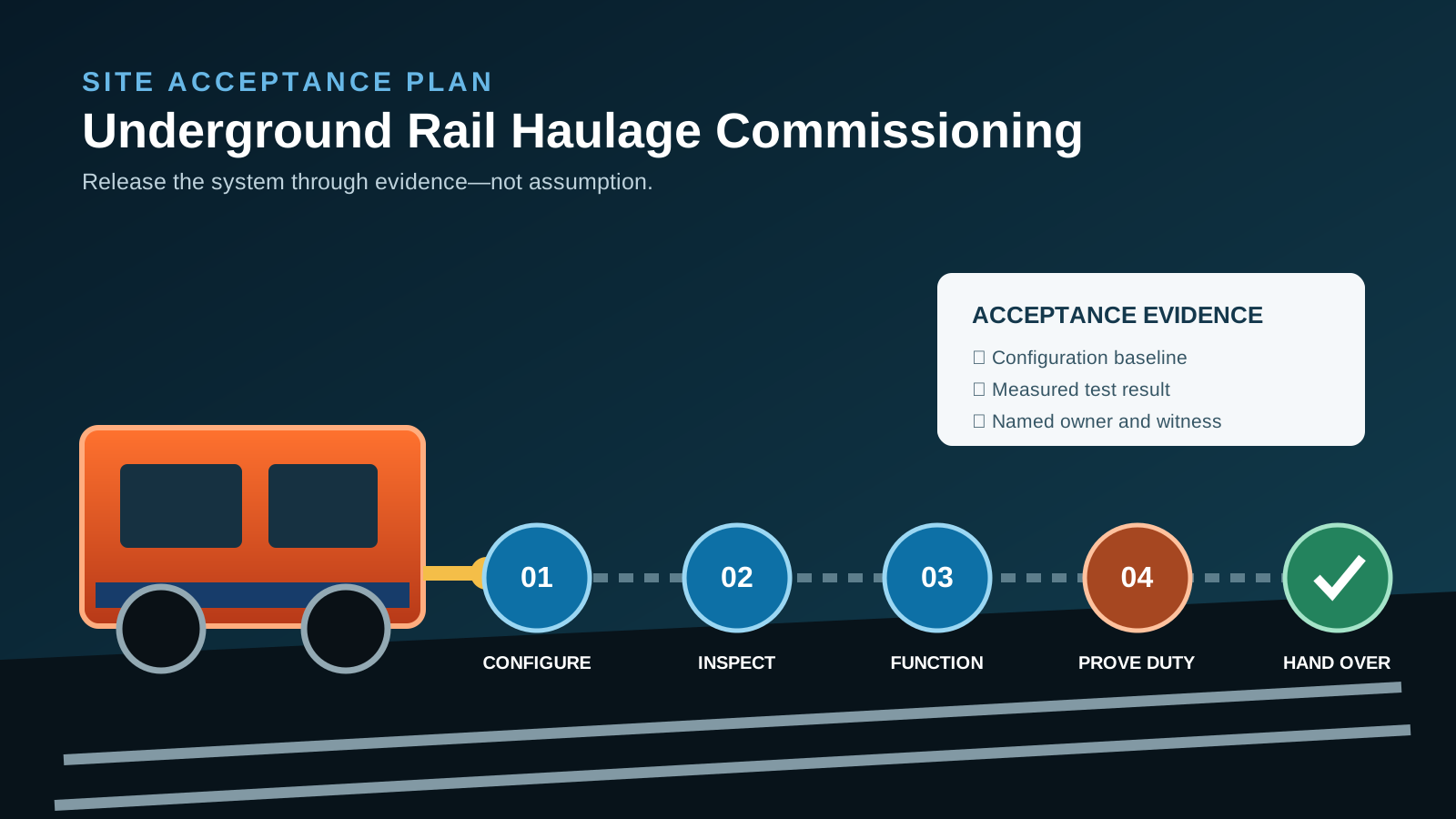
Conceptual illustration: commissioning progresses through controlled evidence gates; the project test plan and local rules determine the actual sequence.
TL;DR / Direct Answer
What should an underground rail-haulage site acceptance test include?
Commission underground rail haulage as one controlled system. Freeze the approved configuration, verify documents and interfaces, inspect the route and equipment, test functions and communications, prove braking and recovery under an approved procedure, train authorized people, close defects and hand over a signed baseline. Factory acceptance supports this process but does not replace site acceptance under the real route and mine rules.
Where does commissioning start and end?
Commissioning starts before energization or first movement. The project team must define the system boundary: route and track, locomotive, rolling stock, couplers, braking, power supply or chargers, signalling, communications, loading/discharge interfaces, workshop support and recovery equipment. It must also identify which party owns every inspection, test, record and corrective action.
It ends only when acceptance criteria are met, outstanding defects are classified and controlled, operators and maintainers are authorized, approved documents match the as-commissioned configuration, and the owner signs a handover baseline. Production pressure should not silently convert an incomplete trial into normal operation.
| Gate | Minimum evidence | Release decision |
|---|---|---|
| Configuration | Approved specification, drawings, equipment register and change log | Correct system is present |
| Static inspection | Route, track, vehicle, power and interface records | Safe to energize or move |
| Functional test | Controls, alarms, brakes, communications and interlocks | Safe for controlled dynamic test |
| Duty demonstration | Approved consist, route, load cases and results | Performance criteria met |
| Handover | Training, manuals, spares, defects and signed baseline | Authorized for defined operation |
What must be reviewed before first movement?
The HSE locomotive-haulage and track guidance repeatedly connects safe operation with route condition, traffic control, communication, training and trailing-load limits. These sources are UK guidance and not a substitute for the project's jurisdiction, but they provide a useful cross-check for the pre-start review.
- Approved system specification, general arrangement and interface drawings.
- Equipment identities, serial numbers, configuration and inspection status.
- Track gauge, rail, switches, clearances, gradient controls and restricted zones.
- Power supply, charging or trolley isolation, protection and emergency arrangements.
- Maximum consist, coupler and safety connection, payload and brake schedule.
- Traffic rules, communications, competent people and test-area controls.
- Risk assessment, permits, test method, calibrated instruments and stop criteria.
Which static and functional tests belong in the SAT?
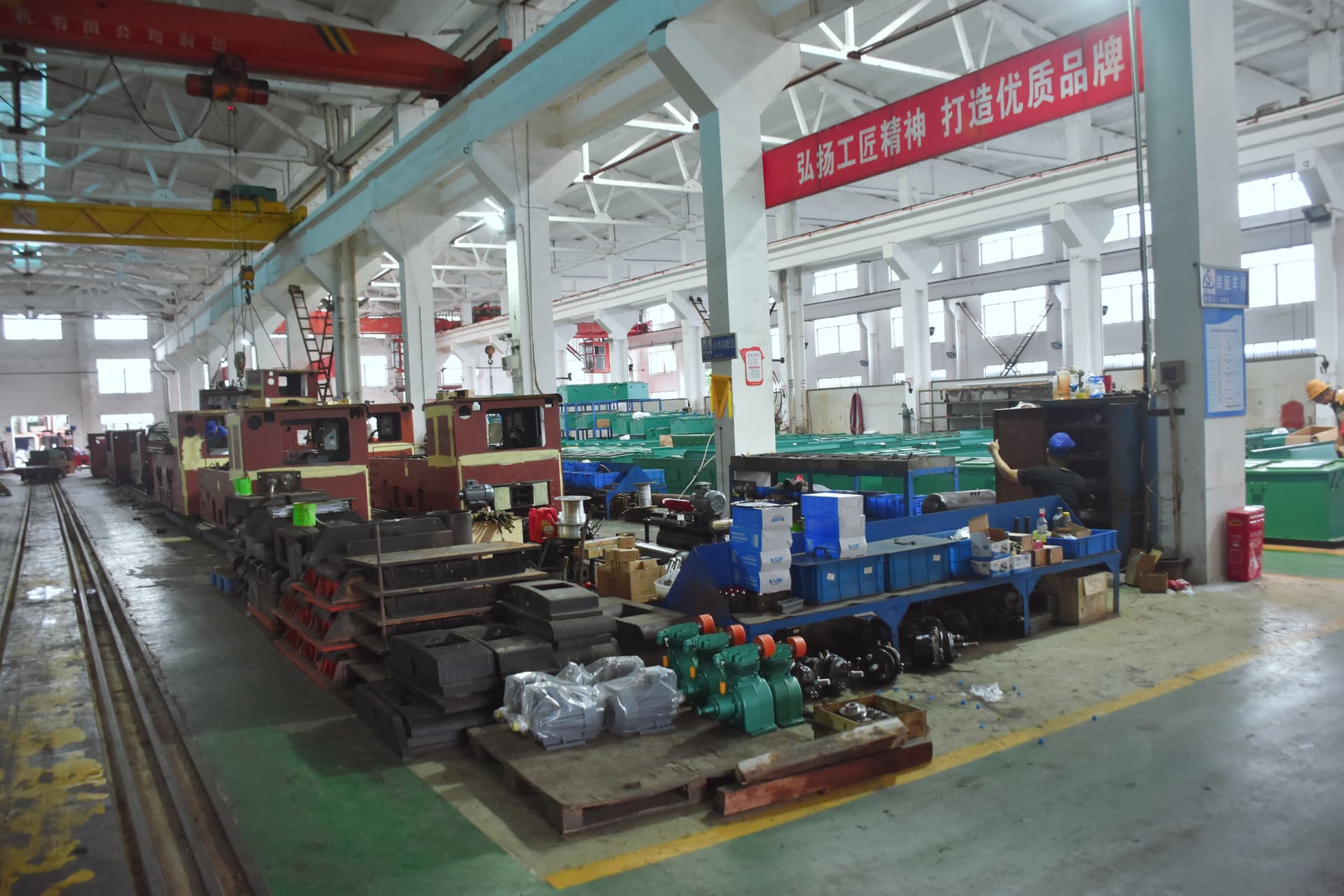
Static inspection confirms identity, dimensions, installation, guards, labels, fluid or cable condition, couplers, wheel and rail interface, clearances and accessible maintenance points. Electrical checks should follow the approved isolation and test procedure. Do not improvise around batteries, chargers, overhead conductors or stored energy.
Functional testing should cover normal controls, direction and speed command, service and parking brakes, emergency actions, alarms, lights, warning devices, communications and applicable interlocks. For automated functions, test mode control, command authorization, localization/communications loss, obstacle or route protections and safe manual recovery against the project safety requirements.
- Record the initial state and test prerequisites.
- Perform each test against a numbered acceptance criterion.
- Capture result, instrument, witness and evidence reference.
- Raise a nonconformity for every failed or conditional result.
- Retest only after the corrective action and configuration are controlled.
How should dynamic, braking and recovery tests be controlled?
Build dynamic testing in stages: low-speed unloaded movement, route and switch checks, progressively loaded operation and finally the approved duty case. Set exclusion zones, communications, abort criteria and recovery arrangements before each stage. The test load, consist, direction, speed, rail condition and gradient must be recorded so the result is reproducible.
Braking is a dedicated acceptance package. Define service, parking, emergency and holding cases as applicable; specify initial speed, train mass, grade, test condition, measurement method and pass value. EN 1889-2's published scope confirms that testing and commissioning are safety concerns for underground rail locomotives, while detailed compliance requires access to the actual standard and the applicable project rules.
Engineering note: Never publish or accept a generic stopping distance as a universal project limit. The approved engineering basis, equipment documentation, route and jurisdiction must define the criterion.
What records make the handover auditable?
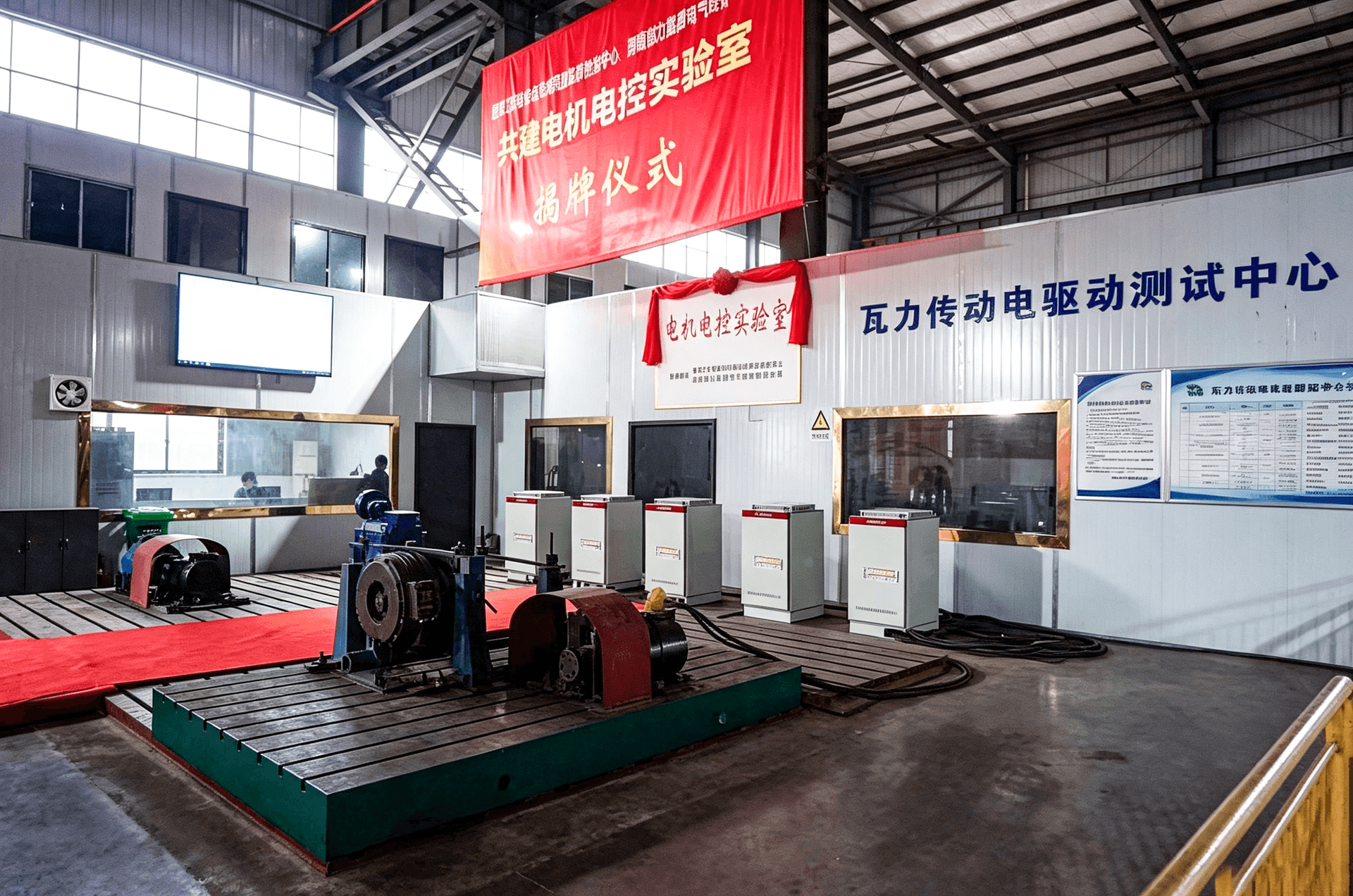
Use an acceptance matrix that links every requirement to a document, inspection or test. Record equipment identities, software or parameter baselines where relevant, instruments, conditions, witnesses, results and evidence files. A punch list must identify safety significance, owner, due date, operating restriction and closure evidence.
The handover pack should include approved drawings, manuals, parts information, inspection and test records, training and competency records, maintenance schedule, critical spares, emergency and recovery procedures, open-item controls and the signed configuration baseline. The South African mandatory-COP guideline is jurisdiction-specific, but its equipment-register fields illustrate the level of traceability a rail-bound system may require.
| Field | Record |
|---|---|
| Requirement | Unique ID, source document and acceptance value |
| Test state | Configuration, route, load, environment and prerequisites |
| Execution | Method, instrument, operator, witness and timestamp |
| Result | Measured value, pass/fail and evidence reference |
| Closure | Defect action, retest and final authorization |
What happens after acceptance when the system changes?
Treat changes to route, gradient, consist, payload, speed, locomotive, mine car, coupler, braking, power system, software, communications or operating rule as potential changes to the accepted basis. Screen the change, assess risk, update documents and repeat the affected tests before release.
Trend early defects during the first operating period. Repeat brake adjustments, wheel or coupler problems, communication loss or overheating can indicate a system interface problem rather than an isolated maintenance task. Agree the escalation and warranty evidence process before production handover.
How should people and operational readiness be demonstrated?
Equipment tests do not demonstrate that an operating organization is ready. Define the roles permitted to dispatch, drive, couple, load, inspect, isolate, maintain and recover the system. Training should use the approved configuration and site procedures, include abnormal and emergency scenarios, and produce attendance, assessment and authorization records. Generic product familiarization may support this work, but it is not the same as site competency under the mine's management system.
Run tabletop and practical scenarios before unrestricted operation: communication loss, stalled consist, blocked route, power loss, brake or coupler defect, failed discharge, personnel entering a controlled area and recovery of disabled equipment. Each scenario needs a command structure, safe state, communication method, equipment and decision for escalation. For automated haulage, include controlled transition to manual or recovery mode and make the authority boundary explicit.
Confirm that supervisors can identify the accepted consist and operating limits, that pre-use and defect reporting are usable at the point of work, and that maintenance has the correct manuals, tools and spares. Observe the first controlled cycles and record deviations from the planned sequence. If operators must routinely bypass, improvise or reinterpret a step, stop and review the design or procedure rather than normalizing the workaround.
- Map roles to tasks and required authorization.
- Train on normal, abnormal and emergency procedures.
- Assess competency and retain signed evidence.
- Observe controlled operating cycles against the approved plan.
- Close human-interface and procedural defects before final release.
Frequently asked questions
Is factory acceptance testing enough for a mining locomotive?
No. FAT verifies agreed items at the supplier or factory. SAT verifies the delivered system, route interfaces and operating controls at the actual site.
Who should write the site acceptance test plan?
The owner should control the acceptance basis with input from the supplier, competent engineering and safety roles, operations and the parties responsible for track, power and controls.
Can commissioning start before every document is complete?
Only under a formally approved staged plan that defines prerequisites, restrictions and missing evidence. Safety-critical information and test controls cannot be treated as optional.
Should braking be tested with an empty or loaded train?
The approved plan should define all relevant load cases, including the worst credible case. Test mass, speed, grade, condition and pass criteria must be recorded.
What is a commissioning punch list?
It is a controlled register of defects or incomplete items, their safety significance, owner, due date, operating restriction, corrective action and closure evidence.
When must a SAT be repeated?
Repeat affected tests after material changes, relevant repairs, failed tests or configuration substitutions, and whenever the project's rules or risk assessment require revalidation.
Does this checklist certify compliance?
No. It is an educational planning structure. Applicable laws, standards, mine rules, approved engineering and contract documents govern the project.
Sources & references
- HSE: Underground locomotive haulage
UK guidance on trailing loads, braking tests, communications, traffic control and training.
- HSE: Rail track and associated equipment for use underground in mines
UK track-selection, installation, inspection and maintenance guidance.
- EN 1889-2 scope summary
Published scope for underground rail locomotive safety requirements and tests, including commissioning; the standard text is required for compliance work.
- South Africa: mandatory COP guideline for underground rail-bound transport
Jurisdiction-specific example of risk management and equipment-register information.
- Mine Health and Safety Council locomotive-brake report
Research context for locomotive brake performance and test requirements.
- MSHA Underground Powered Haulage 2021
US training material on track condition, safe speed, couplers and load control.
Turn the guide into a project requirement
Send the route, train, duty, power, environment and interface data. ShaoLi can review the requirement against relevant product and solution paths without treating a generic guide as a final design.
Request an engineering review