
Engineering & Buyer Guide
Mining Locomotive Battery Replacement Decision: Diagnose, Service or Replace?
How can a mine decide whether to service or replace a locomotive traction battery?
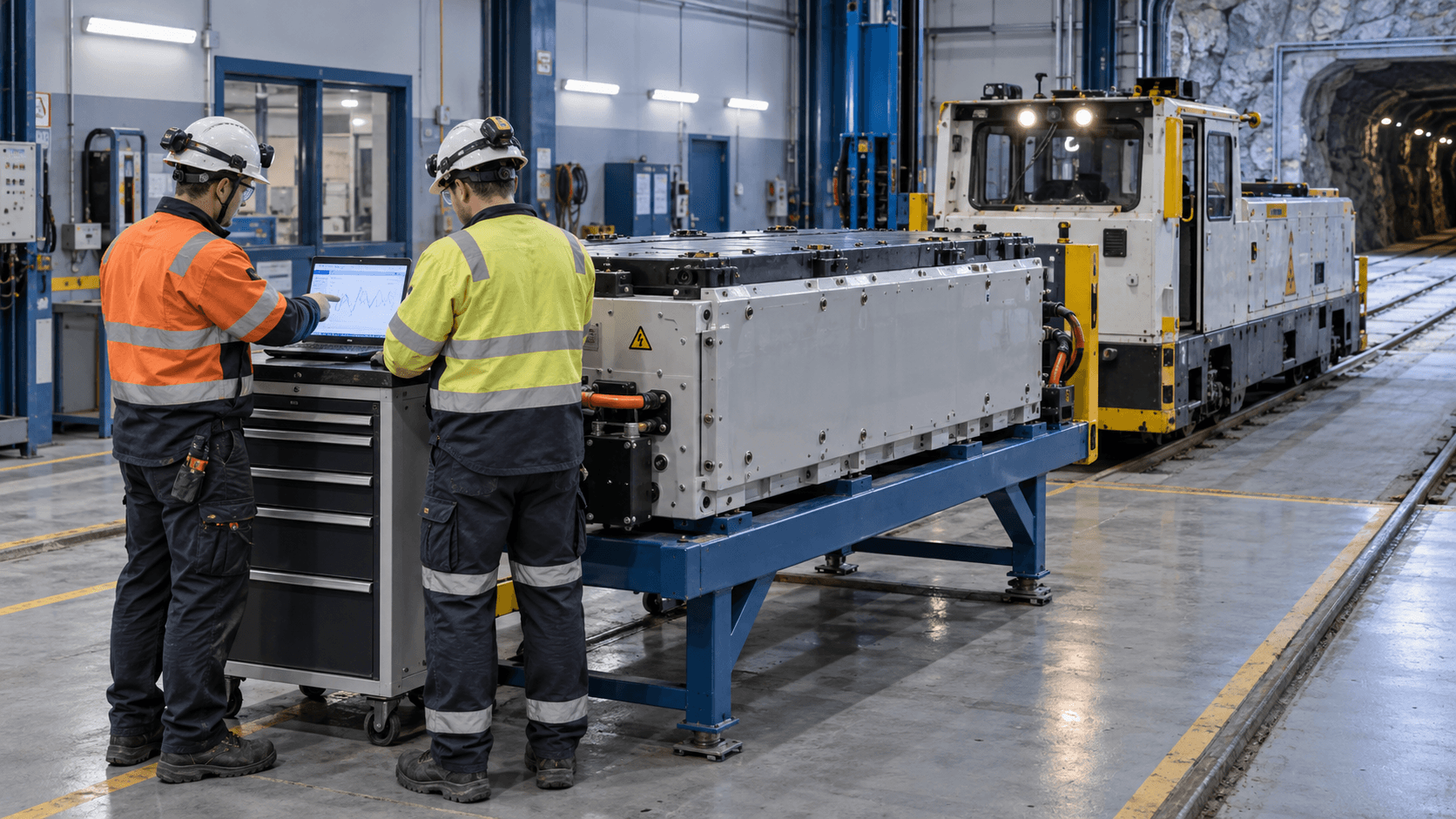
AI-generated illustration. The battery, locomotive and scene are generic, not a documented ShaoLi unit or customer test.
TL;DR / Direct Answer
How can a mine decide whether to service or replace a locomotive traction battery?
Do not replace a mine-locomotive traction battery solely because it has reached a calendar age or one displayed state-of-health value. Make the equipment safe under site and manufacturer procedures, identify its actual chemistry and design, compare trends against its approved limits, and investigate the charger, controls and route duty. Service, repair and replacement each require documented scope; a new battery is accepted only when the whole vehicle and charging interface has been checked.
What is the first safe decision when a battery appears weak?
Separate an immediate safety disposition from the long-term investment decision. An abnormal temperature, swelling, leakage, smoke, damage, protection trip or other concerning symptom requires the mine's approved stop, isolation and escalation process. This article cannot diagnose a live battery remotely or specify a safe voltage, temperature or handling method. A qualified person needs the exact battery and vehicle documents, site rules and applicable jurisdiction before testing or returning it to service.
Once the immediate condition is controlled, ask whether the lost duty is actually caused by the battery. A changed route gradient, longer shift, heavier consist, poor charging window, charger fault, cable resistance or control setting can produce similar operational complaints. Replacing the battery without resolving these causes can reproduce the problem. Record the complaint, circumstances and all affected interfaces before deciding that capacity loss is the root cause.
| Path | When it merits evaluation | What must be proved |
|---|---|---|
| Inspect and service | Condition issue may be maintainable under the OEM method | Cause, permitted service scope, post-service test and trend |
| Authorized repair | Identified fault has an approved repair route | Repair authority, component traceability and system acceptance |
| Replace like-for-like | Existing unit cannot meet approved duty or repair is unsuitable | Exact revision and charger/vehicle interface equivalence |
| Redesign system | Different chemistry, envelope or operating duty is proposed | Full electrical, mechanical, control, safety and site approval review |
Which documents and measurements define the baseline?
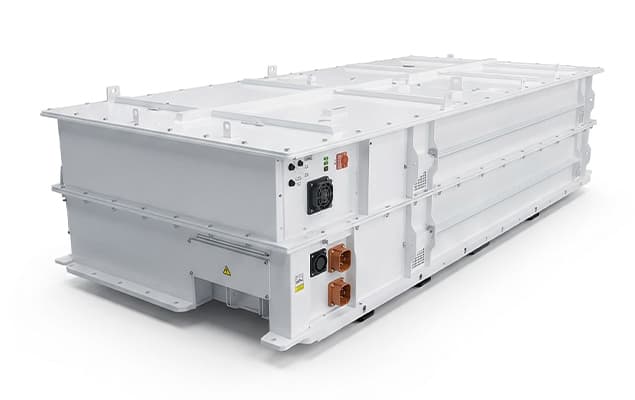
Identify vehicle model and serial, battery manufacturer/model and serial, actual chemistry, rated design, enclosure and restraint, connectors, protection, battery-management arrangement if present, charger model/revision, controller settings and approved operating documents. Include any site hazardous-area assessment and exact product approvals where applicable. 'Battery locomotive' is a vehicle category, not a single chemistry or maintenance method. Public supplier pages from Brookville and Clayton show distinct battery-vehicle offerings, but neither can establish the limits for this ShaoLi project.
Gather consistent records: delivered duty, charging events, faults, temperatures and current/voltage histories when the system captures them, maintenance findings, environmental exposure, measured performance under a controlled method and the age and operating history. Compare like with like: a steep, heavily loaded trip at a different ambient condition is not a valid one-number trend against a light-duty route. Label missing data instead of turning a display estimate into a laboratory measurement. The relevant OEM method defines which measurements are safe and meaningful.
How can the team distinguish battery degradation from a system fault?
Build a fault tree around three domains: the battery itself, the charging and power path, and the locomotive duty. In the battery domain, review the OEM-specified condition indicators, protective events, connections, thermal behavior and any approved cell or module tests. In the charging domain, check charger identity, settings, output, connector condition, ventilation and the opportunity to charge. In the duty domain, compare hauled mass, route, shift duration, speed, regenerative behavior if fitted and idle loads to the design baseline.
Do not improvise a test that defeats protective devices or exposes personnel to stored electrical energy. NIOSH's mining electrical-injury material supports treating electricity as a real maintenance hazard, but it is US research context, not a project-specific test instruction. A qualified team follows the manufacturer's safe procedure and the mine's isolation plan. Record test instrument, calibration, configuration and conditions so another engineer can judge whether the result supports a battery fault, a charger issue or a duty change.
- Confirm chemistry and obtain the actual OEM manual before selecting any condition test.
- Capture repeatable duty and charging histories with dates, conditions and instrument identities.
- Inspect the charger, cables, controls, protection and site charging window, not only the battery.
- Document fault codes and protective trips without bypassing safeguards.
- Compare results to approved product-specific criteria; escalate any missing criterion.
Why is there no universal replacement age or percentage?
The threshold that matters is the one in the actual battery and vehicle documentation for the required duty and condition. Chemistry, construction, allowable operating window, service history and the measurement method all affect what a health figure means. Calendar years and cycle counts are useful context, not independent authorization to condemn or retain a unit. A displayed state-of-health estimate may depend on software assumptions and should be interpreted with the underlying observations and OEM guidance.
Avoid copying a depth-of-discharge or capacity threshold from another application, such as an industrial truck or mainline train. Those systems may use a different chemistry, duty, enclosure, charger and safety case. If the original limit cannot be found, request it from the responsible manufacturer or engineering authority and keep the disposition provisional. A battery that passes one workshop measurement but cannot meet the approved route and shift requirement may still require further investigation or a controlled change.
Engineering note: This guide deliberately gives no numerical life, state-of-health, voltage, temperature or test threshold. Such values must come from the exact OEM and approved project documents.
How should service, repair and replacement be compared?
For service, identify the symptom, the maintenance permitted by the battery maker, parts and consumables, the cause to correct and the post-service evidence. For repair, establish who is authorized to open or modify the unit, what can be replaced, how traceability and protective function are retained, and what tests and warranty apply. Some chemistries and sealed modules have narrower authorized repair routes than others; neither blanket permission nor a blanket ban follows from a generic webpage.
For replacement, compare total operational risk: verified fit, lead time, outage, charger and control changes, battery-handling infrastructure, safe disposal or recycling route, documentation and support horizon. A different chemistry or electrical architecture is a vehicle-system change, not a simple consumable exchange. Request a deviation schedule showing what stays identical and what must be re-engineered. Make procurement evaluate the cost of proving the new combination as well as the purchase price.
What is the controlled decision and acceptance flow?
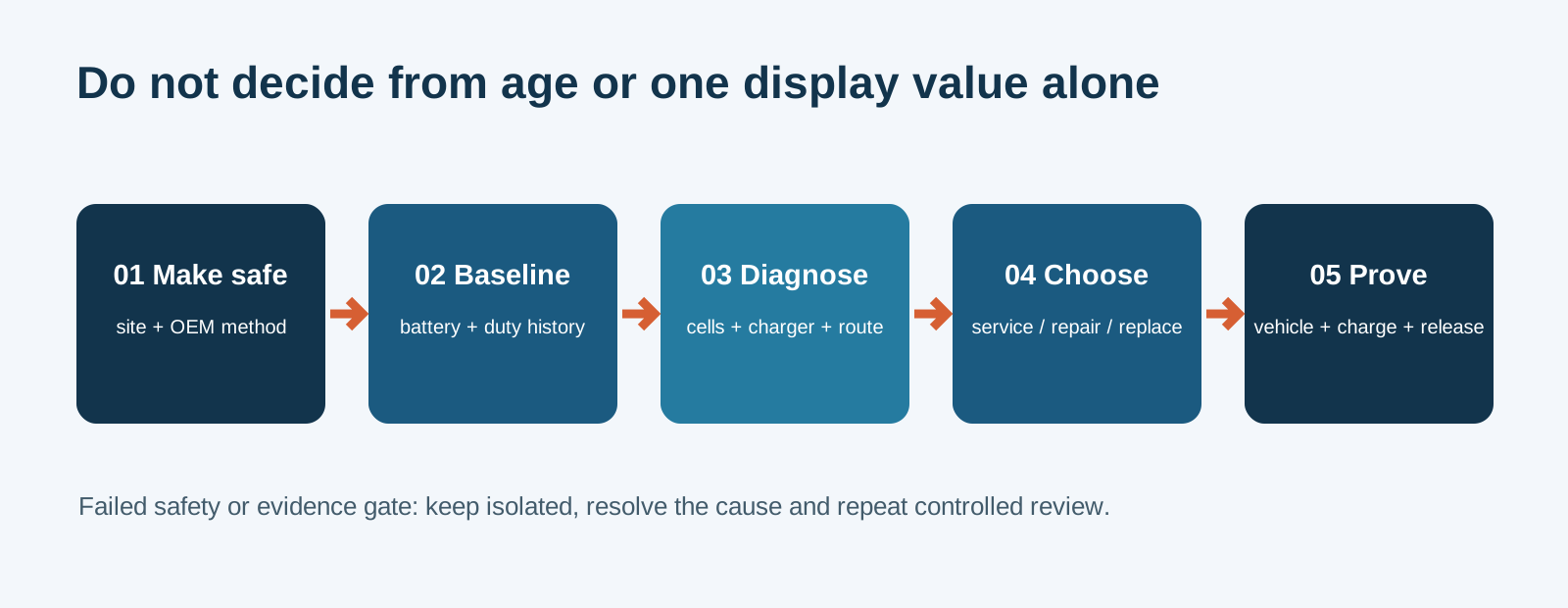
Start with safe isolation and the exact equipment identity. Freeze the baseline and complaint, collect comparable condition data and test the charger/duty hypotheses. Only then choose an OEM-permitted service or repair, a verified like-for-like replacement, or a wider redesign. For each path, write acceptance criteria before work begins. The mine's competent authority defines restrictions and return-to-service sign-off; a supplier quotation is not a release certificate.
After work, verify enclosure and mounting, electrical and control connections, protection, charger compatibility, documented settings, fault indications and a controlled duty trial where the approved plan requires it. Retain serial trace, as-left configuration, test conditions, measurements, deviations and signature. If an initial replacement fails to meet route duty, reopen the root-cause review; do not silently increase limits or disable protection to make a test pass.
- Make safe and identify the actual battery, vehicle and charger.
- Compare repeatable condition and duty evidence with OEM-specific limits.
- Diagnose battery, charger, controls and route as one system.
- Approve service, authorized repair, like-for-like replacement or redesign.
- Test the whole interface and obtain documented return-to-service authority.
What belongs in a responsible battery RFQ?
Send battery and locomotive identity, chemistry, enclosure and connection drawings, charger and control revisions, route duty, train mass, gradients, shifts, charging opportunity, ambient conditions, existing fault and performance records, site access and approvals. State which values are measured, estimated or missing. Request a supplier comparison of the proposed battery to the installed design, explicit interface deviations, preservation/transport instructions, authorized service route, test plan, documentation and end-of-life handling responsibilities.
The ShaoLi battery category is a starting point for a configuration conversation, not a claim of universal compatibility or lifetime. The separate charging-station guide covers site charging infrastructure; the battery-versus-trolley guide addresses initial power-source selection. This page serves the existing-fleet decision. For a meaningful enquiry, attach controlled photos of the nameplate and connectors only when the mine permits sharing, and identify the responsible technical contact who can answer follow-up questions.
- Battery, vehicle, charger and controller identities with drawing and software revisions.
- Actual duty, route, shift and charging record under known conditions.
- Fault history, OEM maintenance limits and site safety/approval constraints.
- Requested service/repair/replacement alternatives and marked deviations.
- Acceptance tests, handover documents, warranty and recycling responsibilities.
What should be monitored after the decision?
Establish a documented proving period proportionate to the work, with comparable trips and charging events. Trend the approved indicators against the as-left baseline and the actual operating requirement. Keep a record of environmental conditions, changes to consist mass or route and any charger setting adjustments. A flat numerical threshold copied from another mine will not identify a subtle duty mismatch. Operations needs a clear method for reporting reduced range or a protective event early.
Close the engineering loop: update the vehicle configuration, maintenance system, spare battery or component codes, charger settings, training and emergency response documents as applicable. If degradation or faults recur, review the cause rather than treating every unit as a consumable with a fixed retirement date. The most credible replacement decision is the one another engineer can reconstruct from evidence, scope, approvals and a controlled return-to-service record.
Frequently asked questions
At what age must a mining locomotive battery be replaced?
There is no universal age in this guide. Use the actual battery and vehicle documents, condition trend, required duty and the mine's approved disposition process.
Is one state-of-health value enough to order a new battery?
No. Confirm the estimate's method and compare repeatable performance, faults, charger operation and duty under the OEM's criteria.
Could a weak shift be a charger problem?
Yes. A charger, connection, charging window, control or duty change can mimic reduced battery performance; investigate the full system.
Can a failed battery be repaired?
Only within the actual manufacturer's permitted repair scope and the mine's competent approval process, with traceable parts and acceptance tests.
Can a different chemistry be fitted as a direct swap?
Do not assume so. Treat chemistry change as a system modification covering enclosure, power, charger, controls, protection, safety and approvals.
What must be checked after installing a replacement?
Verify identity, mounting, connections, protection, charging and control interfaces, specified tests, duty performance and formal release evidence.
Does this page prescribe electrical test limits?
No. The exact OEM manual, qualified personnel, site procedures and applicable jurisdiction determine safe methods and acceptance limits.
Sources & references
- NIOSH Mining Electrical Injuries
US research context for electrical hazards; not a battery-specific test method or worldwide law.
- Brookville Mining Rail
Supplier-specific battery-vehicle example; no limits transferred to ShaoLi equipment.
- Clayton Locomotives
Supplier-specific battery-locomotive application context; no universal replacement threshold.
Turn the guide into a project requirement
Send the route, train, duty, power, environment and interface data. ShaoLi can review the requirement against relevant product and solution paths without treating a generic guide as a final design.
Request an engineering review