Global Mining's Compliance Storm: Zero Emissions & Automation Drive the Exit of Legacy Underground Transport
A sweeping global compliance storm over the last two years is fundamentally rewiring the underground transport market. Driven by relentlessly strict safety and environmental mandates, the industry is forcing an aggressive phase-out of outdated, high-emission, and high-risk auxiliary transport methods. We are standing at a historic crossroads.
China’s Mandate: Hard Targets for Smart Mining & The "De-staffing" Imperative Backed by the latest policies from China's National Mine Safety Administration, a strict mandate requires that at least 60% of national coal production capacity must be intelligent by 2026. The rollout of this hard metric spells the definitive end for conventional transport systems burdened by labor-intensive manual dispatching and isolated single-machine operations.
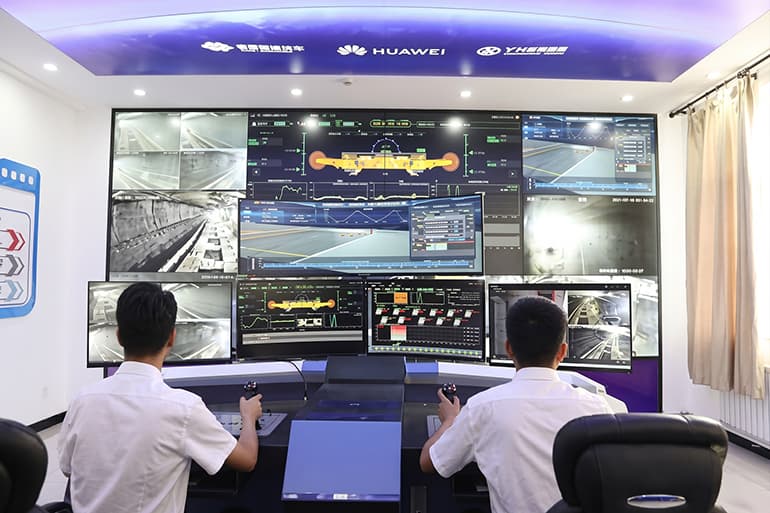
The Future Imperative: "Reduced Human Presence" and the Smart Procurement Threshold Future underground transport systems must possess the capability for a "reduced human presence," advancing toward fully autonomous operations. Backed by a 5G communication infrastructure and AI-driven fleet dispatch technology, the new generation of smart locomotives can achieve seamless multi-vehicle synergy and precise Variable Frequency Drive (VFD) control. This dictates that, whether for greenfield mine developments or the intelligent retrofitting of legacy mines, new locomotives equipped with high-level smart control and autonomous driving potential have transitioned from an "optional upgrade" to a "mandatory prerequisite" for bidding.
North American Pressure: MSHA Mandates Accelerate the Purge of High-Pollution and "Legacy" Equipment
In the North American market, the tightening of regulations is equally drastic. By mid-2025, the U.S. Mine Safety and Health Administration (MSHA) proposed a series of major regulatory overhauls, dealing a devastating blow to the survival space of traditional locomotives:
Tightening DPM (Diesel Particulate Matter) Limits: For underground metal and non-metal mines, MSHA has further compressed emission tolerances. This exposes traditional explosion-proof diesel locomotives to the risk of astronomical fines in compliance costs.
The "Legacy" Status of Exposed Trolley Systems: Due to their inherent electrical spark hazards, traditional overhead trolley systems have been classified by new mandates as "legacy equipment" that no longer meets the safety demands of modern high-risk mines.
Under this dual pressure, the zero-emission Lithium Battery Mining Locomotive has emerged as the ultimate solution. To perfectly replace legacy systems, these new lithium battery locomotives are equipped with standard flanged steel wheels perfectly compliant with rail travel (definitively not a simple rubber tire retrofit). This ensures seamless integration with existing narrow-gauge tracks while completely eradicating exhaust emissions and trolley spark risks.
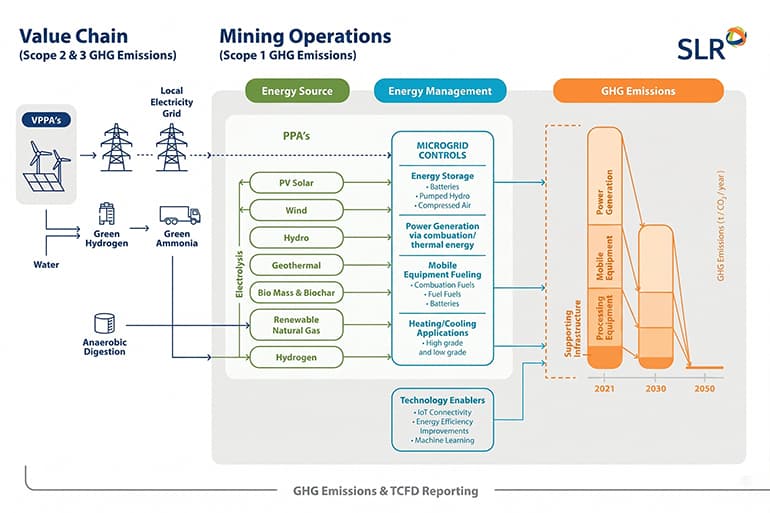
The Capital Vote of Global Giants: ESG Compliance and Fleet Decarbonization If
policy is the catalyst, the capital maneuvers of international mining giants serve as the most acute market barometer. In the 2025-2026 industry landscape, multinational titans such as BHP and Vale have explicitly decelerated investments in high-pollution diesel locomotives, as evidenced by their financial reports and actual procurement actions. Recently, Vale signed massive locomotive modernization and new energy retrofit agreements with top-tier equipment manufacturers like Wabtec, with the core objective squarely aimed at the deep decarbonization of mining transport fleets.