Russia's Mining Revolution: Driven by the Dual Engines of an "Eastward Pivot" and &qu
Subterranean Regulatory Storm: Electric Power Emerges as the Sole Solution
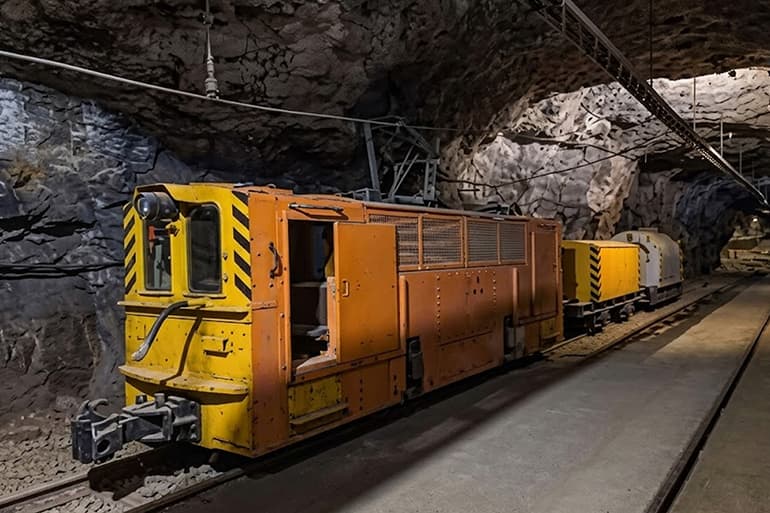
In deep-shaft mining environments, legacy internal combustion locomotives have exposed increasingly severe safety and environmental gaps. Russian occupational health and mine safety regulatory bodies have recently enacted a series of measures, sharply tightening exposure limits for Diesel Particulate Matter (DPM) within underground metallic and non-metallic mines.
Supply Chain Realignment: Alternative Replacements and Beyond Under the "Eastward Pivot"
As the geopolitical landscape continuously evolves, Russian mining enterprises have faced mandatory disruptions in their legacy Western equipment supply chains. Within this context, the Russian mining industry's "Eastward Pivot" strategy has transcended being merely a reactionary measure; it has evolved into a strategic industrial upgrade to embrace high-efficiency technology.
"The withdrawal of Western brands induced short-term operational friction, but it simultaneously cracked open a massive market entry point for importing high-efficiency, lower-OPEX Asian green heavy equipment."
Throughout this process of supply chain re-engineering, high-end green mining machinery manufactured in China has demonstrated commanding market competitiveness:
Exceptional Customization Capabilities: Tailored specialized battery thermal management systems and robust chassis structures can withstand the extreme dual-temperature conditions of Russia's freezing surface weather and high-heat subterranean shafts.
Optimal Cost-to-Performance Advantage: Compared to legacy Western machinery, Chinese pure electric mining trucks and loaders deliver an outstanding Total Cost of Ownership (TCO) profile, substantially lowering both upfront capital expenditures (CAPEX) and ongoing operational costs through diesel-to-electric energy substitution.
Agile Delivery and Service Support: Leveraging the continually developing cross-border logistics networks between China and Russia, complete vehicle delivery, component replenishment, and on-site technical support efficiencies have increased significantly.
As a result, Chinese machinery is rapidly filling and taking control of the massive ecological niche vacated by legacy Western brands.
Driven by the strategic directives of the "Eastward Pivot" and catalyzed by aggressive regulations mandating carbon reduction and underground temperature control, the Russian mining sector is undergoing a quiet yet sweeping equipment overhaul. This transformation—propelled by internal safety requirements and external supply chain migration—will dramatically improve the subterranean working environment across core mining regions like the Kuzbass coal basin, while cementing long-term strategic cooperation between China and Russia in the high-end green heavy machinery sector.